Industrial supply chains don’t fail because of software. They fail because decisions break down under pressure. Parts arrive late. The data is wrong. Teams don’t coordinate fast enough. When that happens, production slows down or stops.
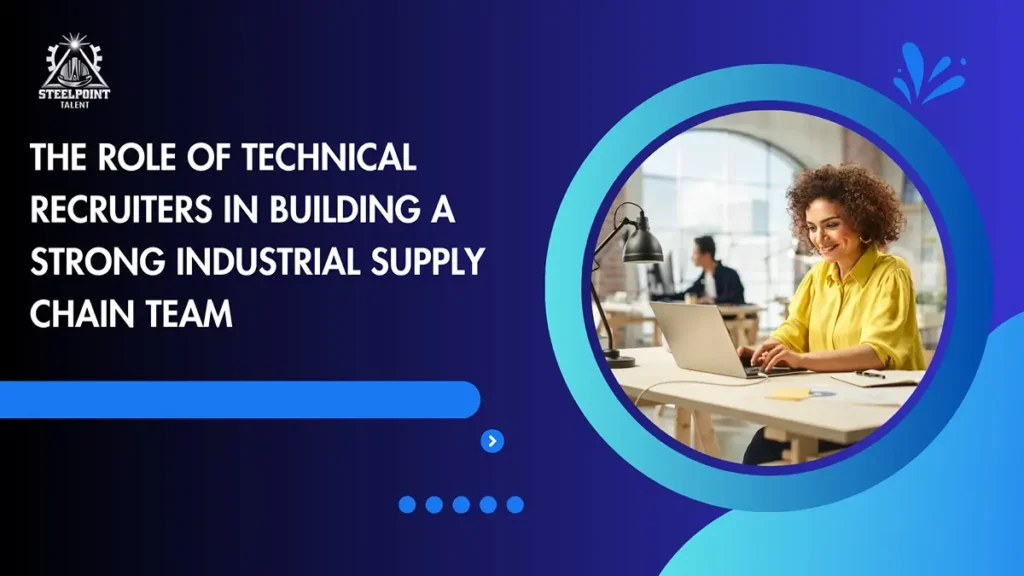
People are the real backbone of industrial supply chains. The right hires keep materials moving, systems accurate, and operations stable. That is why technical recruiters matter. They help companies build supply chain teams that understand how factories actually work. Strong industrial supply chain staffing leads to better decisions, fewer disruptions, and more reliable management of the supply chain team.
The Changing Skill Demands Inside Modern Industrial Supply Chains
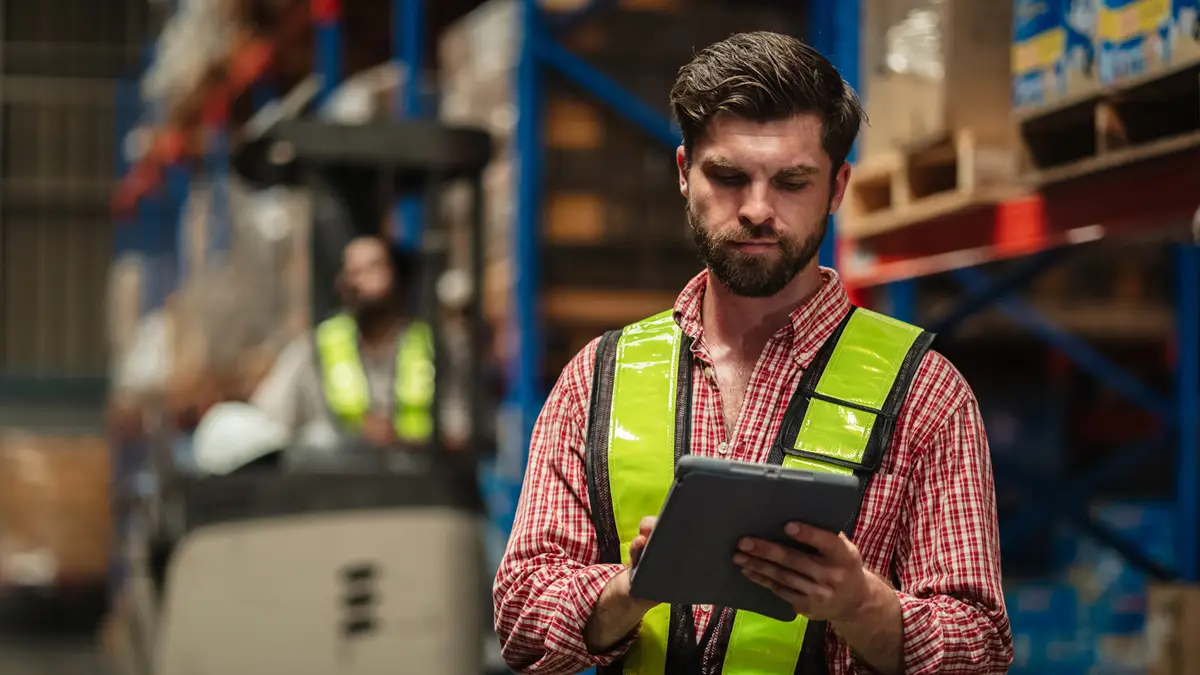
Industrial supply chains are more technical than they used to be. Supply chain teams now work closely with production systems, not separately from them. Their decisions affect machine uptime, production speed, and compliance. As a result, a basic technical understanding is now expected, not optional. This change has also influenced how technical recruiters approach industrial supply chain staffing.
From Transactional Roles to Technically Integrated Functions
Many supply chain roles that once focused mainly on purchasing, scheduling, or coordination now operate in technically demanding environments. Professionals are expected to understand how their decisions impact production, maintenance, and system performance.
Modern supply chain responsibilities often intersect with:
- Engineering teams for spare parts planning, equipment specifications, and lifecycle cost decisions
- Automation and control systems that govern production pacing and material movement
- ERP platforms are used for inventory visibility, demand forecasting, and supplier performance tracking
- Regulatory frameworks covering traceability, safety standards, and quality documentation
Because of this integration, supply chain team management depends on hiring people who can understand technical information and communicate clearly across departments. Hiring based only on job titles or years of experience often misses this requirement.
Why Traditional Hiring Models Fail in Industrial Environments
Traditional hiring models are usually designed for office-based or administrative roles. In industrial settings, this creates a gap between what a role actually requires and what candidates are screened for.
Common issues include:
- Non-technical screening that overlooks process knowledge, systems exposure, or equipment familiarity
- Limited understanding of how supply chain decisions impact maintenance schedules, downtime, and throughput
- Poor alignment between job descriptions and shop-floor realities, such as safety requirements, shift structures, and time-critical decision-making
These gaps weaken supply chain team management by placing people in roles for which they are not fully prepared. Technical recruiters help close this gap by aligning hiring criteria with real operational conditions, allowing industrial organizations to build supply chain teams that support stability, efficiency, and long-term growth.
What Makes Technical Recruiters Different From General Recruiters
Hiring for industrial supply chains is not just about matching resumes to job descriptions. Technical recruiters understand how supply chain roles operate inside production environments. This allows them to evaluate candidates based on how they will perform on the job, not just on paper qualifications.
Understanding Industrial Processes, Not Just Job Titles
Technical recruiters assess candidates based on real industrial workflows. Instead of relying only on titles or certifications, they look for a practical understanding of how materials, equipment, and systems work together on the shop floor.
This process-driven approach includes the ability to:
- Read and understand engineering drawings and equipment documentation related to parts sourcing and maintenance
- Follow process flows across manufacturing, warehousing, and logistics
- Work with tooling requirements, spare parts structures, and critical inventory
- Operate within constraints such as downtime limits, safety rules, and production dependencies
By screening at this level, technical recruiters help ensure industrial supply chain staffing decisions support uptime, reliability, and operational continuity rather than introducing risk.
Translating Operational Needs Into Hire-Ready Role Definitions
A major difference between general and technical recruiters lies in how roles are defined. Instead of using generic job descriptions, technical recruiters work closely with operations, procurement, and logistics leaders to clearly define success for each role.
This collaboration typically focuses on:
- Defining performance-based responsibilities tied to throughput, lead time, and inventory accuracy
- Aligning required skills with specific systems such as ERP platforms, planning tools, and supplier portals
- Accounting for real working conditions, including shift structures, cross-functional coordination, and escalation responsibilities
This approach improves supply chain team management by ensuring new hires can contribute quickly. Clear role definitions reduce onboarding time, improve job fit, and support long-term supply chain stability.

Building a Resilient Supply Chain Team Through Specialized Hiring
Resilience in industrial supply chains comes from careful hiring decisions that focus on operational continuity, not just filling open positions. Technical recruiters play an important role in industrial supply chain staffing by identifying skills and roles that reduce disruption, improve coordination, and support daily execution.
Identifying Critical Roles That Protect Continuity
Not every supply chain role carries the same level of operational risk. Some positions are essential to keeping industrial operations running smoothly, especially during disruptions. Technical recruiters focus on these roles when building resilient supply chain teams.
Key continuity-driven roles include:
- Maintenance planners who align spare parts availability with preventive and corrective maintenance schedules
- Sourcing engineers who evaluate suppliers based on technical compatibility, lead times, and lifecycle cost
- Inventory analysts who balance working capital with service levels in high-variability environments
- ERP specialists who maintain data accuracy across procurement, production, and logistics systems
- Quality coordinators who ensure incoming materials meet specification, traceability, and compliance requirements
By prioritizing these roles, industrial supply chain staffing strategies move beyond transactional coverage and focus on protecting throughput and reliability.
Hiring for Failure Prevention, Not Just Headcount
Traditional hiring often focuses on filling roles quickly, without considering how each position affects overall operations. In industrial environments, this approach can increase risk.
Staffing decisions directly affect:
- Downtime caused by missing parts, inaccurate planning data, or delayed approvals
- Vendor risk is driven by poor supplier qualification or weak technical communication
- Compliance gaps linked to documentation errors or process inconsistency
- Production delays resulting from misaligned inventory, scheduling, or logistics execution

How Technical Recruiters Support Supply Chain Team Management
Strong supply chain team management depends on aligning people’s decisions with operational goals. Technical recruiters support this by approaching hiring with the same performance focus used in industrial operations, ensuring new hires improve execution instead of creating friction.
Aligning Talent Strategy With Operational KPIs
In industrial supply chains, success is measured through operational results. Technical recruiters evaluate candidates based on how their work supports key performance indicators that define supply chain performance.
During screening, they assess how candidates have previously influenced:
- Throughput by coordinating materials, suppliers, and production schedules
- Lead time through sourcing decisions, planning accuracy, and escalation handling
- Inventory accuracy by managing data integrity, cycle counts, and ERP discipline
- Uptime by ensuring parts availability, supplier reliability, and cross-team communication
This KPI-based approach ensures industrial supply chain staffing decisions support real performance outcomes rather than generic skills.
Workforce Planning for Shift Coverage, Seasonality, and Growth
Supply chain challenges rarely align with fixed headcount plans. Technical recruiters help organizations plan staffing based on real operational patterns instead of reacting to shortages.
Their support typically includes:
- Structuring teams to maintain coverage across shifts, maintenance windows, and peak production periods
- Planning for seasonal demand fluctuations that affect sourcing, warehousing, and logistics capacity
- Anticipating future growth tied to new equipment, facilities, or market expansion
Screening for Technical Depth and Operational Judgment
In industrial supply chains, hiring success depends on more than certifications or resumes. Technical recruiters focus on how candidates think and act in real operating conditions. This ensures industrial supply chain staffing supports consistent execution and effective supply chain team management.
Evaluating Real-World Problem-Solving Ability
Technical recruiters assess problem-solving by using situations that reflect real operational challenges. Instead of theoretical questions, they explore how candidates have handled pressure, limits, and changing priorities.
Key areas of evaluation include:
- Decision-making under time pressure when materials are delayed, or production schedules shift
- Ability to communicate clearly with engineering, maintenance, procurement, and logistics teams
- Awareness of process dependencies, such as how sourcing delays affect maintenance or how inventory errors disrupt production flow
- Judgment shown during escalations involving suppliers, quality issues, or system outages
This screening approach reveals whether a candidate can operate effectively within complex industrial environments, where decisions often have immediate downstream consequences.
Balancing Hands-On Experience With System-Level Thinking
Effective supply chain team management requires people who can complete daily tasks while understanding how their actions affect the entire operation. Technical recruiters look for this balance during the screening process.
They evaluate whether candidates can:
- Perform hands-on tasks such as scheduling, expediting, or inventory reconciliation
- Use ERP platforms and planning tools to analyze trends and anticipate risks
- Connect daily execution with long-term objectives like cost control, uptime, and compliance
- Adjust decisions based on data while accounting for real-world constraints on the shop floor
Compliance, Collaboration, and the Long-Term Stability of Industrial Supply Chain Teams
In industrial environments, hiring decisions directly affect risk, continuity, and growth. Technical recruiters support industrial supply chain staffing by focusing on compliance readiness, close alignment with leadership, and building teams designed for long-term stability rather than short-term coverage.
Compliance, Safety, and Documentation as Hiring Priorities
Regulatory and safety requirements are part of daily supply chain operations. Technical recruiters treat compliance knowledge as a core skill, especially in regulated industrial sectors.
Key areas evaluated during screening include:
- Familiarity with ISO standards related to quality management, traceability, and process control
- Understanding of material traceability requirements across procurement, storage, and production
- Experience with vendor qualification processes and supplier audits
- Readiness for internal and external audits, including documentation accuracy and process consistency
By confirming compliance discipline early, technical recruiters help reduce audit risk, safety incidents, and operational disruptions. This protects the supply chain team management from avoidable failures.
Collaboration Between Technical Recruiters and Supply Chain Leadership
Accurate hiring depends on continuous alignment between recruiters and operational leaders. Technical recruiters maintain structured feedback loops with supply chain managers to ensure hiring criteria reflect evolving operational needs.
This collaboration typically includes:
- Regular reviews of role performance to refine skill and experience requirements
- Feedback from managers on onboarding success and early productivity indicators
- Adjustments to role definitions based on system changes, volume shifts, or process updates
Hiring data also supports workforce planning. Metrics such as time to productivity, turnover by role, and skill gaps help improve industrial supply chain staffing decisions over time.
Long-Term Impact of Technical Recruiters on Supply Chain Stability
When hiring aligns with operational realities, the benefits extend beyond individual roles. Technical recruiters support long-term stability by improving retention and scalability.
Organizations see measurable impact through:
- Lower turnover due to stronger technical and cultural fit
- Faster ramp-up times as new hires understand systems, processes, and expectations
- More consistent execution across shifts, sites, and functions
This structured approach also supports growth. As companies add facilities, equipment, or markets, supply chain teams built through disciplined hiring are easier to scale without losing control or reliability.
Conclusion: Strengthening Industrial Supply Chains Through Specialized Recruitment
Industrial supply chains rely on more than systems, equipment, and suppliers. Their reliability depends on the people who plan, source, and respond to challenges every day. Technical recruiters play a strategic role in industrial supply chain staffing by aligning hiring decisions with operational needs, compliance requirements, and performance expectations. By supporting stronger supply chain team management, they help organizations reduce risk, improve execution, and maintain control in complex industrial environments.
For companies looking to strengthen their supply chain workforce, partnering with specialists who understand both people and industrial systems is critical. At SteelPoint Talent, we work closely with operations and supply chain leaders to deliver technically aligned hiring solutions that support long-term performance. Connect with us at https://www.steelpointtalent.com/ to learn how we can help build a resilient supply chain team tailored to your operational needs.